
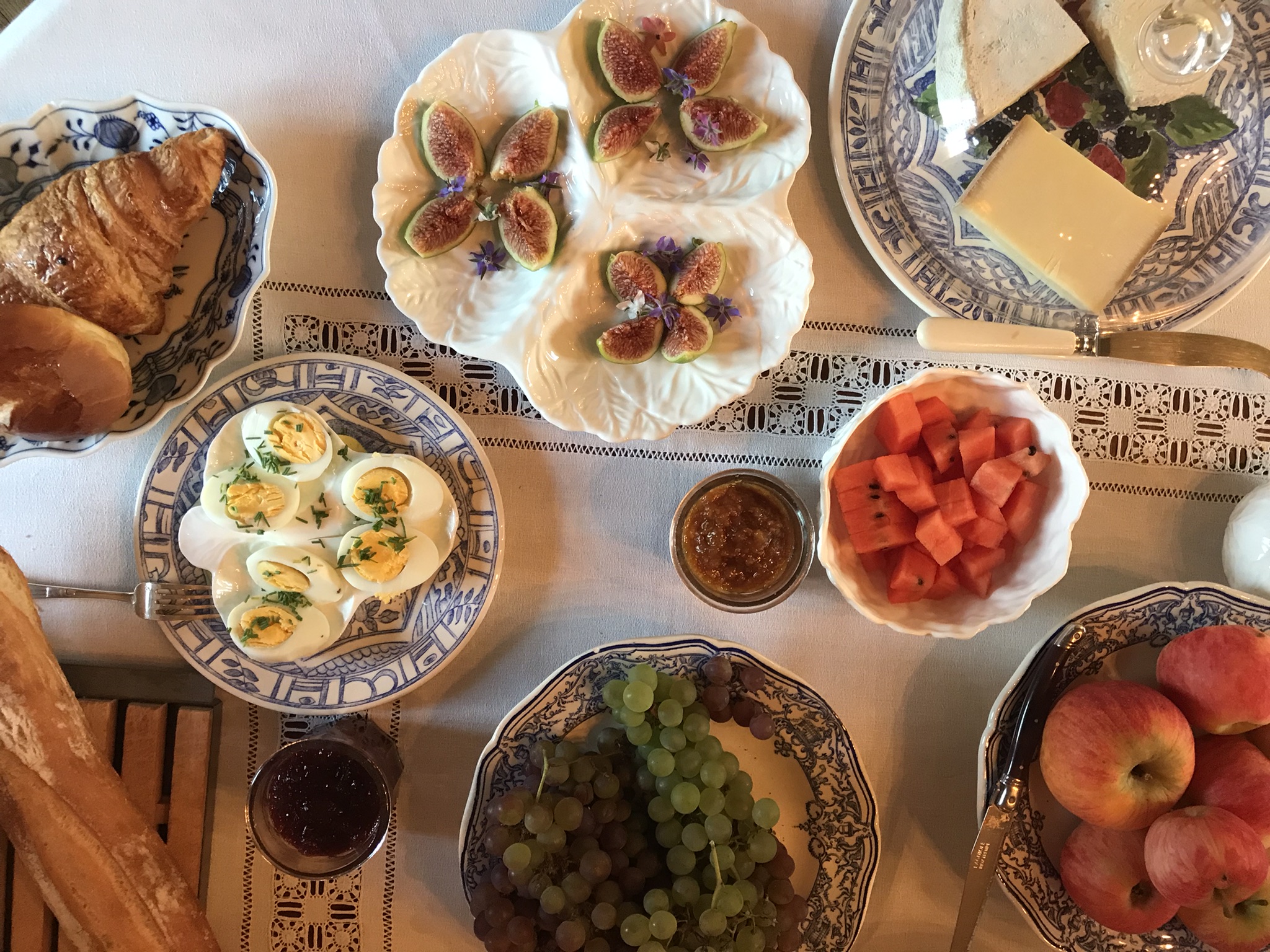
At the Château d’Hodebert, in Touraine, breakfast is a time to which I attach particular importance. When I welcome guests to les chambres At the château, I like to offer them much more than just a selection of products laid out on a table. I want to give them a truly enjoyable experience, centred around food prepared with care, with an emphasis on organic produce, local ingredients and home-made dishes.
This focus on food also reflects a personal interest that I have had for several years: the writings of Hildegard of Bingen, that remarkable 12th-century abbess who took an interest in nature, plants, food and their role in maintaining the human body’s balance.
Her world view, and in particular the importance she attaches to einkorn wheat, has profoundly shaped my thinking. That is why I have chosen to give this ancient grain a special place in my cooking. These days, I make my own einkorn bread, as well as my cakes and pancakes, using flour made from Triticum spelta.
A way of returning to simple ingredients, taking the time to cook and rediscovering the pleasure of authentic food.
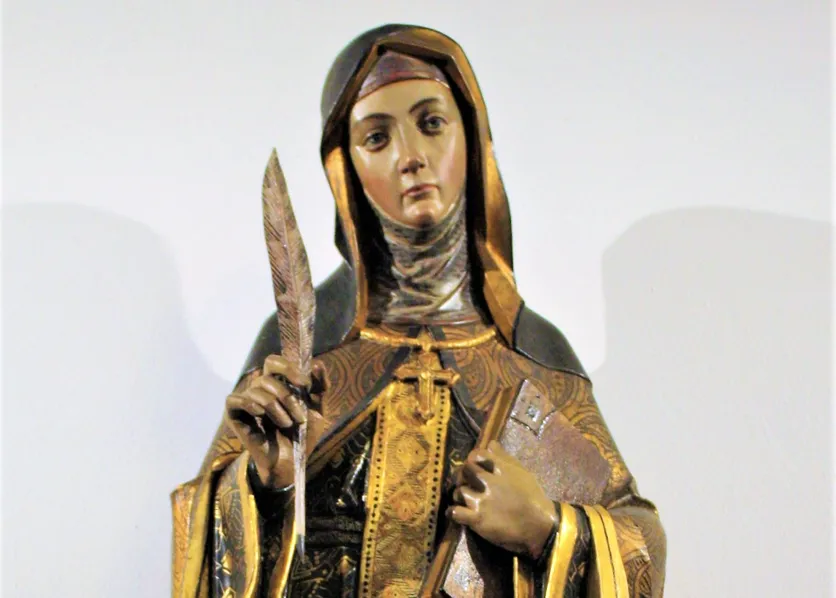
Hildegarde of Bingen, an exceptional woman of the Middle Ages
Hildegarde de Bingen (1098-1179) est une personnalité fascinante de l’histoire européenne. Abbesse bénédictine allemande, mystique, compositrice, visionnaire, écrivaine et observatrice passionnée de la nature, elle a laissé une œuvre considérable et étonnamment diversifiée.
À une époque où les femmes avaient peu de possibilités de prendre la parole dans la vie intellectuelle et religieuse, Hildegarde a développé une pensée personnelle et une œuvre remarquable. Elle a notamment écrit sur la théologie, la musique, la cosmologie, les plantes, les animaux et la santé.
His works on nature and medicine include the Physica, which describes the properties attributed to plants, animals, stones and various natural elements, as well as the Causae et curae, which focuses on the causes of diseases and their treatments.
What particularly strikes me about Hildegarde is the way she refuses to separate human beings from their environment. For her, humankind is part of a creation in which all the different elements are interconnected. Nature is not merely a backdrop or a source of resources: it plays a part in maintaining the balance of life.
Spelt: a cereal dear to Hildegard of Bingen
Of the foods she mentions in her writings, emmer wheat holds a special place.
In the Physica, Hildegard devotes a passage to Triticum spelta. She describes this cereal in very glowing terms and regards it as a high-quality food, pleasant to eat and interesting in various forms.
Emmer is an ancient cereal belonging to the wheat family. It is important to distinguish it from certain commercial varieties sold simply as ‘spelt’, as emmer corresponds precisely to the botanical species Triticum spelta.
This cereal has some interesting nutritional properties: in particular, it provides complex carbohydrates, plant-based proteins, fibre and various minerals. Its composition varies depending on the variety, growing conditions and the degree to which the flour has been refined.
What interests me about emmer wheat is also its flavour. It has a slightly distinctive flavour, more rustic than that of conventional soft wheat, which gives bread and baked goods a lot of character.
It makes cooking simple, whilst reviving an ancient grain and a certain baking tradition.
It should be noted, however, that emmer wheat contains gluten. It is therefore not suitable for people with coeliac disease.
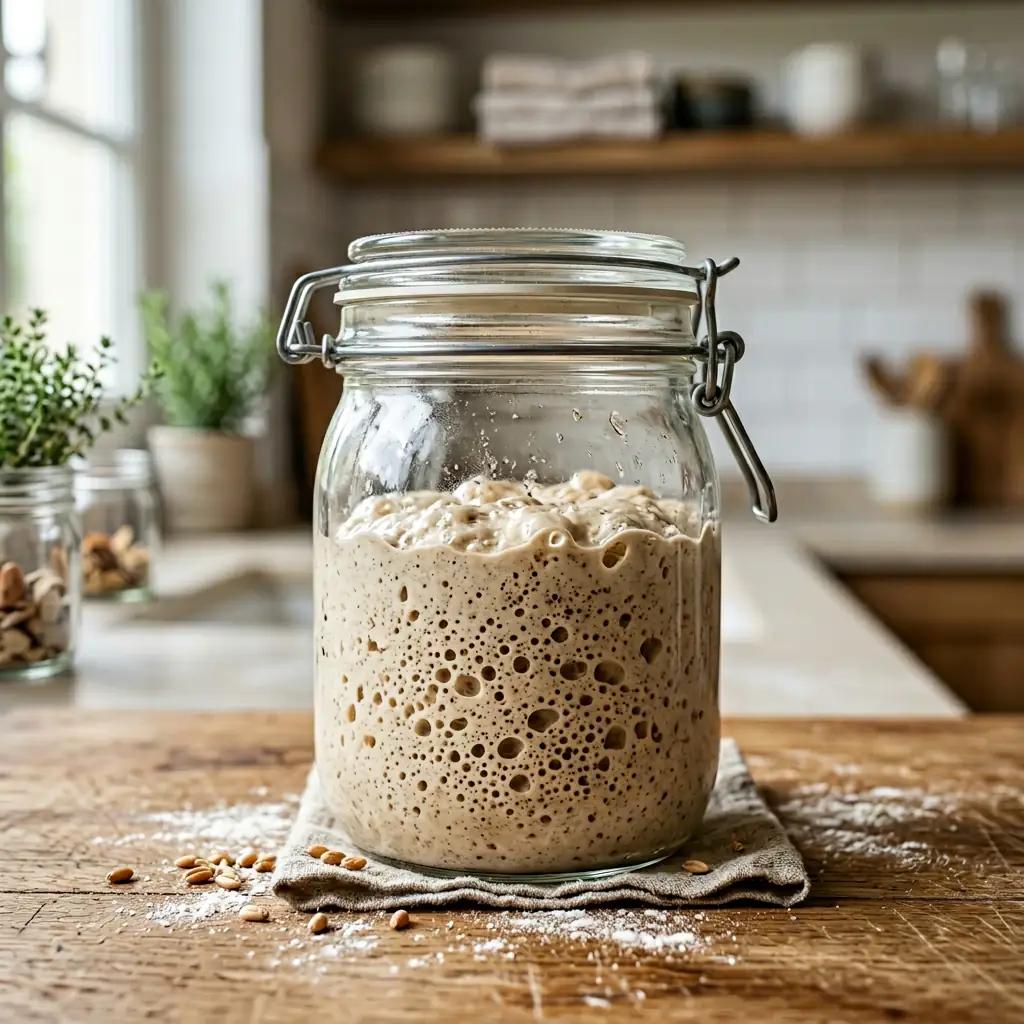
A homemade loaf of natural sourdough bread made from spelt
I use Triticum spelta spelt to bake the bread myself that I serve to my guests for breakfast. And to take this approach to its logical conclusion, I also make my own spelt sourdough starter, which I maintain and use to bake my bread.
Natural sourdough requires time and care. It aids the fermentation of the dough and gives the bread a distinctive flavour and character.
I love rediscovering these simple techniques of traditional baking, taking the time to prepare the dough and letting nature take its course.
I also use this emmer wheat flour to make my cakes and pancakes. So this ancient grain, so dear to Hildegard of Bingen, naturally features in breakfast at the Château d’Hodebert.
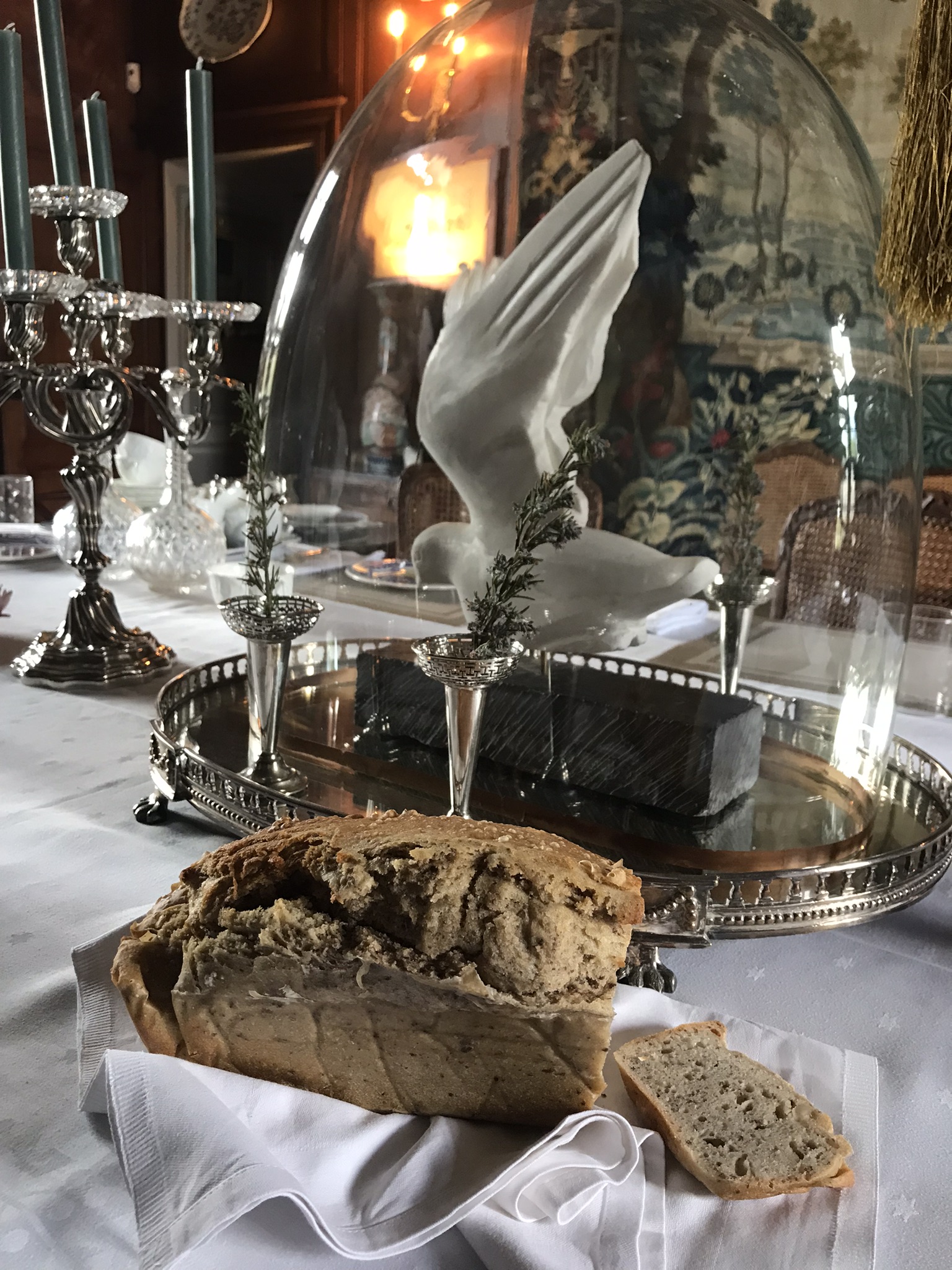
Why I chose Triticum spelta for my homemade bread
It was this cereal that I chose to use to make the bread served to my guests for breakfast.
I bake my own bread using Triticum spelta spelt flour, drawing inspiration from the writings of Hildegard of Bingen.
Pour moi, faire son pain est déjà une manière de reprendre le temps. Choisir sa farine, préparer sa pâte, laisser travailler la fermentation et sentir le pain cuire sont des gestes simples, mais qui donnent une autre dimension à ce que l’on partage ensuite à table.
Le pain maison possède une saveur et une personnalité que l’on ne retrouve pas toujours dans les produits industriels. Il accompagne aussi bien une confiture de fruits qu’un peu de beurre et devient naturellement l’un des éléments incontournables de mon petit déjeuner.
I also use this emmer wheat flour to make my cakes and pancakes. This allows me to incorporate this grain into a variety of recipes and to serve homemade treats rather than ready-made products.
Hildegard of Bingen and her approach to nutrition: a holistic approach
Hildegard’s interest in diet is not limited to a list of foods considered good or bad. Her writings are rooted in a medieval conception of health, influenced in particular by the theory of the humours, according to which the body’s balance depends on various qualities and their harmony.
It pays particular attention to the properties it attributes to foods, their nature and how they are prepared. Foods are not considered in isolation: they form part of a wider set of relationships between the body, nature and lifestyle.
This approach differs greatly from current scientific nutrition. It would therefore be anachronistic to present Hildegard as a modern nutritionist or to regard her medieval recommendations as medical advice that is validated today.
On the other hand, certain aspects of his approach resonate particularly strongly with contemporary concerns: the emphasis on the quality of ingredients, the role of plant-based foods, the focus on cereals, food preparation, and the relationship between diet and lifestyle.
What inspires me most of all is this desire to view food as an important part of our daily lives, rather than simply a necessity to be dealt with quickly.
Eating should also remain a pleasure. We need to take the time to savour our food, discover new flavours and rediscover the connection between the produce and those who grow it.
It is this personal philosophy that I try to bring to life in my kitchen at the Château d’Hodebert.
Viriditas: nature’s life force and its approach to food
A concept runs deep within our thinking d’Hildegarde de Bingen : that of viriditas, which could be translated as greenness, verdantness or life force.
This concept expresses the power of growth and renewal inherent in creation. It evokes the vitality of plants, the fertility of the earth, and nature’s capacity to develop and regenerate.
For Hildegard, this life force also has a spiritual dimension. She is therefore not simply talking about vegetation or botany, but about a creative energy that links the natural world to the inner life of human beings.
This vision really resonates with me. It encourages us to take a different look not only at what we eat, but also at how food is produced, processed and prepared.
Taking the time to choose good-quality ingredients, favouring seasonal produce, cooking for yourself and working in harmony with nature’s rhythms are all practices that reflect this philosophy.
It is not a question of claiming to practise medieval medicine today, but of re-establishing a more mindful and conscious relationship with our diet.
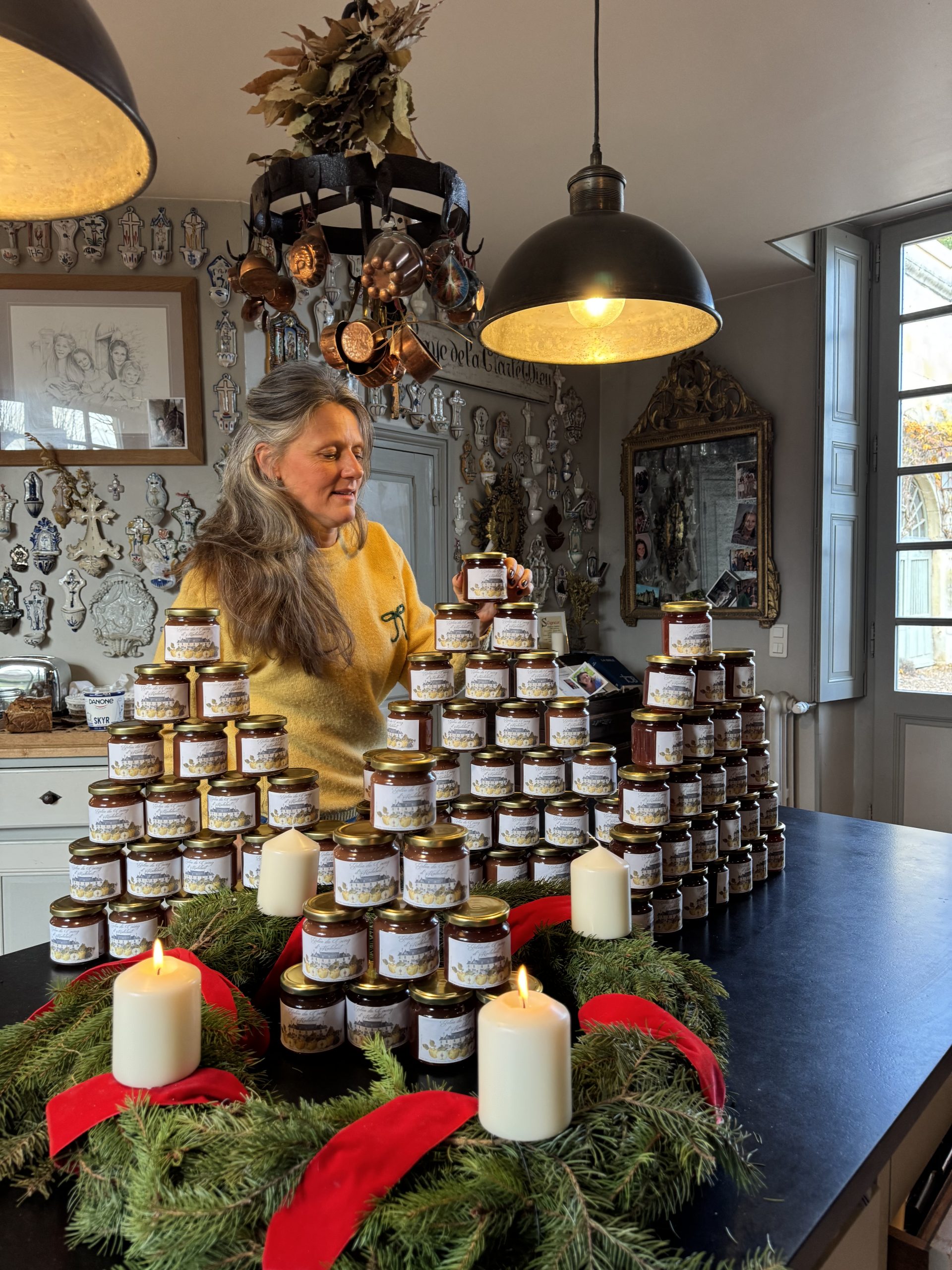
Homemade jams made with fruit from our region
Breakfast is also an opportunity to introduce guests to the flavours of fruit from Touraine and the surrounding area.
I make my own jams using locally grown fruit, to which I add organic cane sugar.
I love the idea of rediscovering the flavours of the seasons and turning the fruit that’s in season into delicious jams to enjoy with my spelt bread in the morning.
A good homemade jam is, above all, about the taste of the fruit. It’s also about the pleasure of making something yourself, choosing your own ingredients and knowing exactly what you’re serving your guests.
Depending on the harvest and the season, the flavours vary and add a touch of indulgence to the breakfast table.
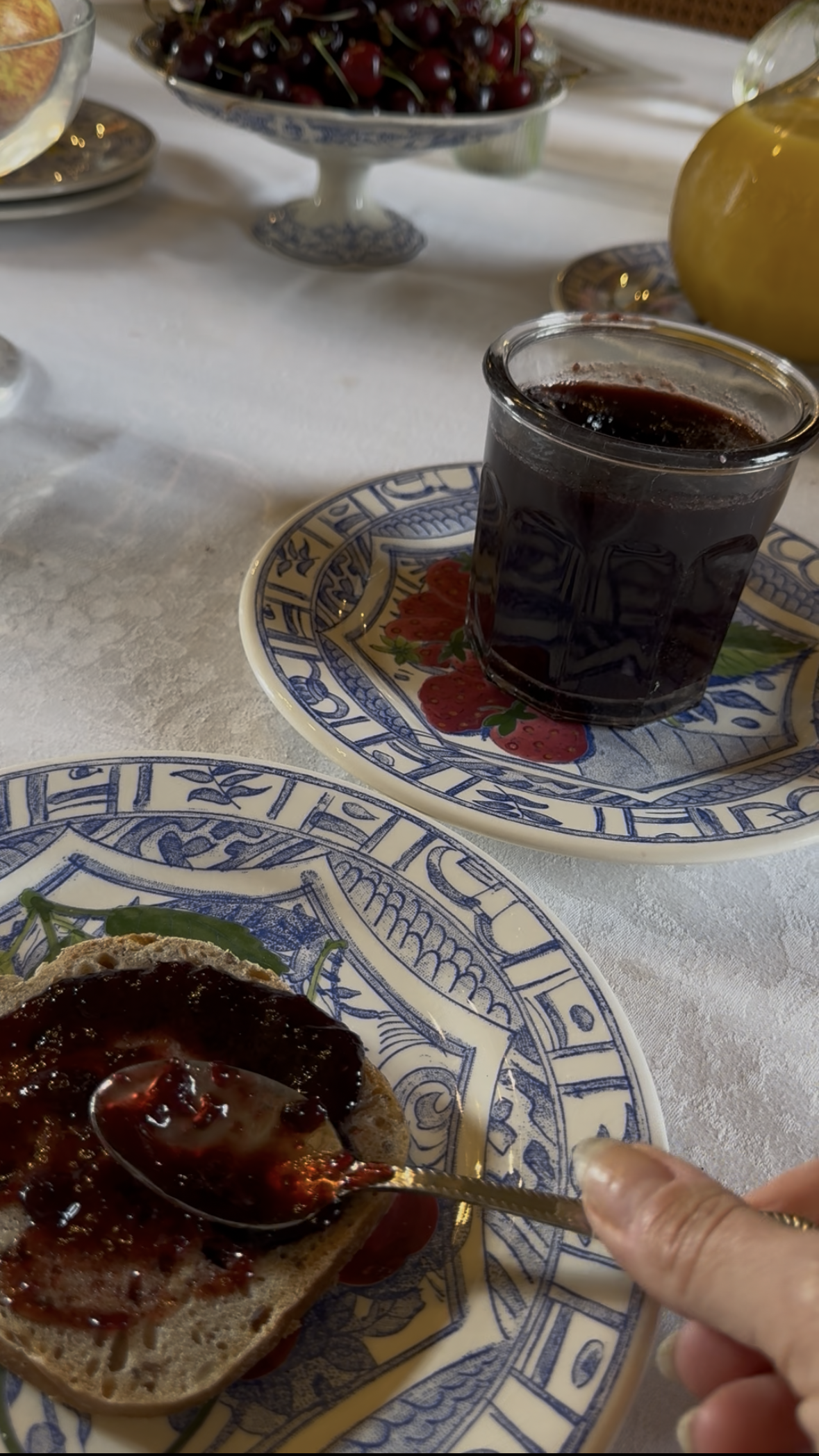
Homemade yoghurts and organic or locally sourced produce
The yoghurts served at the Château d’Hodebert are also homemade.
I particularly enjoy these simple recipes that require few ingredients, but a little time and care. They reflect our commitment to offering authentic products, without unnecessarily increasing the number of industrially produced items.
More generally, I tend to choose organic or locally sourced produce when putting together breakfast. Where possible, I prefer to buy from local producers and choose ingredients whose origin I know.
This approach reflects my philosophy on hospitality: offering high-quality products, prioritising locally sourced produce wherever possible, and helping guests discover the treasures of our region.
Of course, not all products can come from the estate or its immediate surroundings. But I make sure to prioritise organic ingredients, locally sourced produce and dishes prepared in my own kitchen wherever possible.
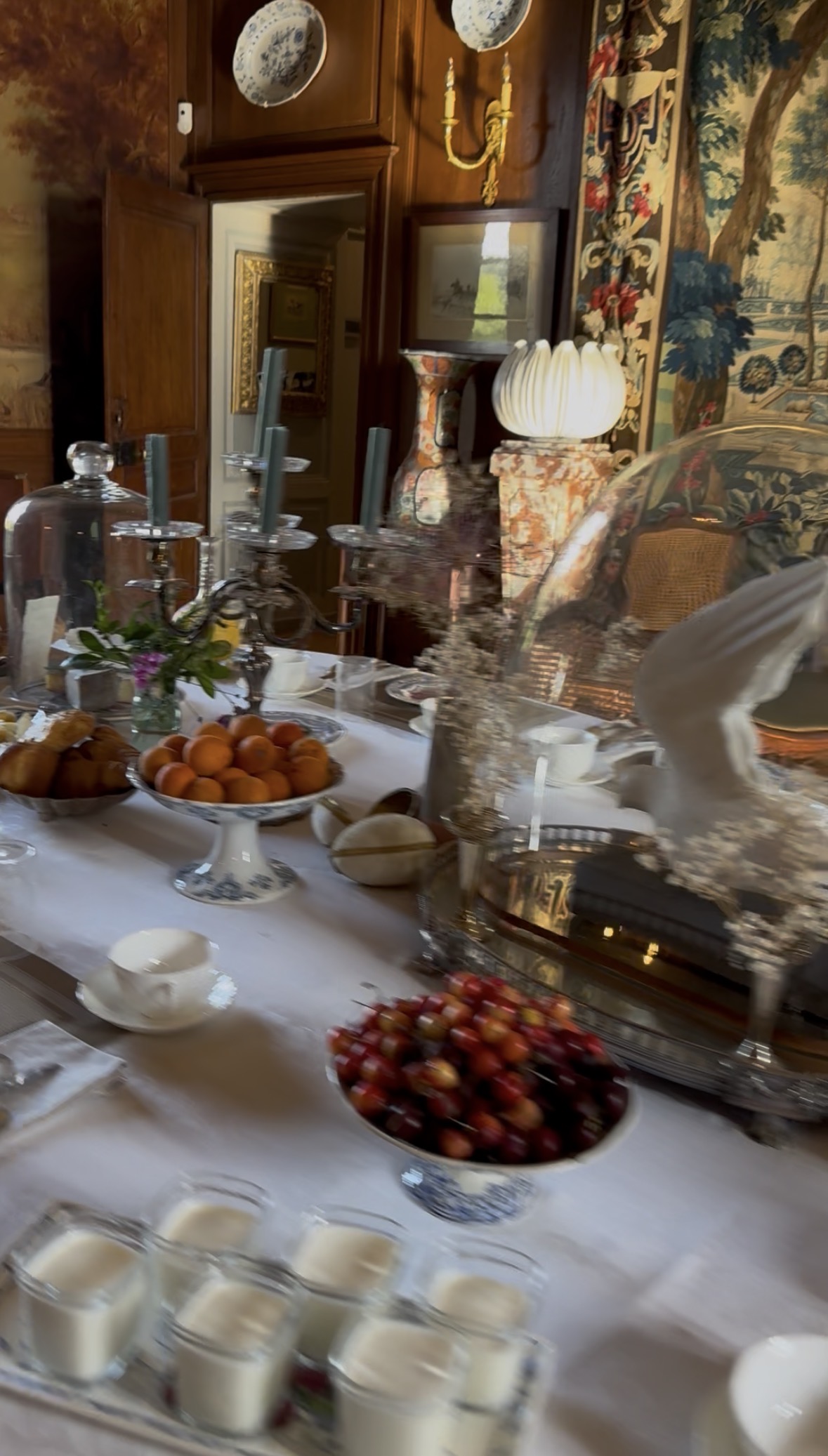
The joy of a home-made breakfast
When you stay at a bed and breakfast, breakfast is an integral part of the experience.
It’s often the first moment of the day, when you take the time to wake up, have a chat, explore the products on offer and calmly plan your visits.
At Château d’Hodebert, I like this break to be a generous and convivial experience.
Freshly baked spelt bread, homemade jams, yoghurts and other organic or locally sourced produce come together to create a spread that reflects my taste for simple, wholesome food.
Behind every dish lies time, careful choices and a particular vision of hospitality. I am not seeking to offer a sophisticated dining experience at any cost, but rather to serve good produce, prepared with care, and to share the pleasure of eating food whose origins we know.
It’s also a way of introducing my guests to another side of Touraine: its local produce, its seasons and its way of life.
Stay at the Château d’Hodebert and start the day with a gourmet breakfast
Situated in the heart of Touraine, the Château d’Hodebert welcomes its guests to a historical context and peaceful, ideal for exploring the châteaux of the Loire, the vineyards and the region’s countryside.
After a night in one of our charming rooms, breakfast is the perfect opportunity to take your time before setting off to explore the surrounding area.
Whether you’re a history buff, a foodie, keen to discover the wines of the Loire, or simply looking for a relaxing break in the countryside, you’ll find an atmosphere here that’s perfect for unwinding.
And if you share my interest in Hildegard of Bingen, heirloom grains and thoughtfully prepared food, you might just find some new inspiration around our table.
At the Château d’Hodebert, the pleasure of your stay begins on your plate. Homemade spelt bread, jam made from local fruit, yoghurt prepared with care… all these little touches make breakfast a unique experience and leave you wanting to savour the good life in Touraine for a little longer.
I look forward to welcoming you and introducing you to my very own way of hosting, in the heart of our beautiful Touraine countryside.
Frequently Asked Questions
Pourquoi Hildegarde de Bingen recommandait-elle l’épeautre ?
In her Physica, Hildegard describes emmer wheat as a particularly interesting cereal that is a pleasure to eat. She attributes numerous beneficial properties to it, in line with the medieval understanding of diet and health.
What is the difference between common spelt and emmer?
Spelt, Triticum spelta, and einkorn, Triticum monococcum, are two different cereals. They have distinct nutritional and culinary characteristics.
Does spelt bread contain gluten?
Oui. Le grand épeautre contient du gluten et ne convient pas aux personnes atteintes de maladie cœliaque.
Can we enjoy a home-made breakfast at the Château d’Hodebert?
A home-made breakfast is served to guests staying in the guest rooms at the Château d’Hodebert, featuring, amongst other things, spelt bread, home-made jams and yoghurts, as well as organic and locally sourced produce.
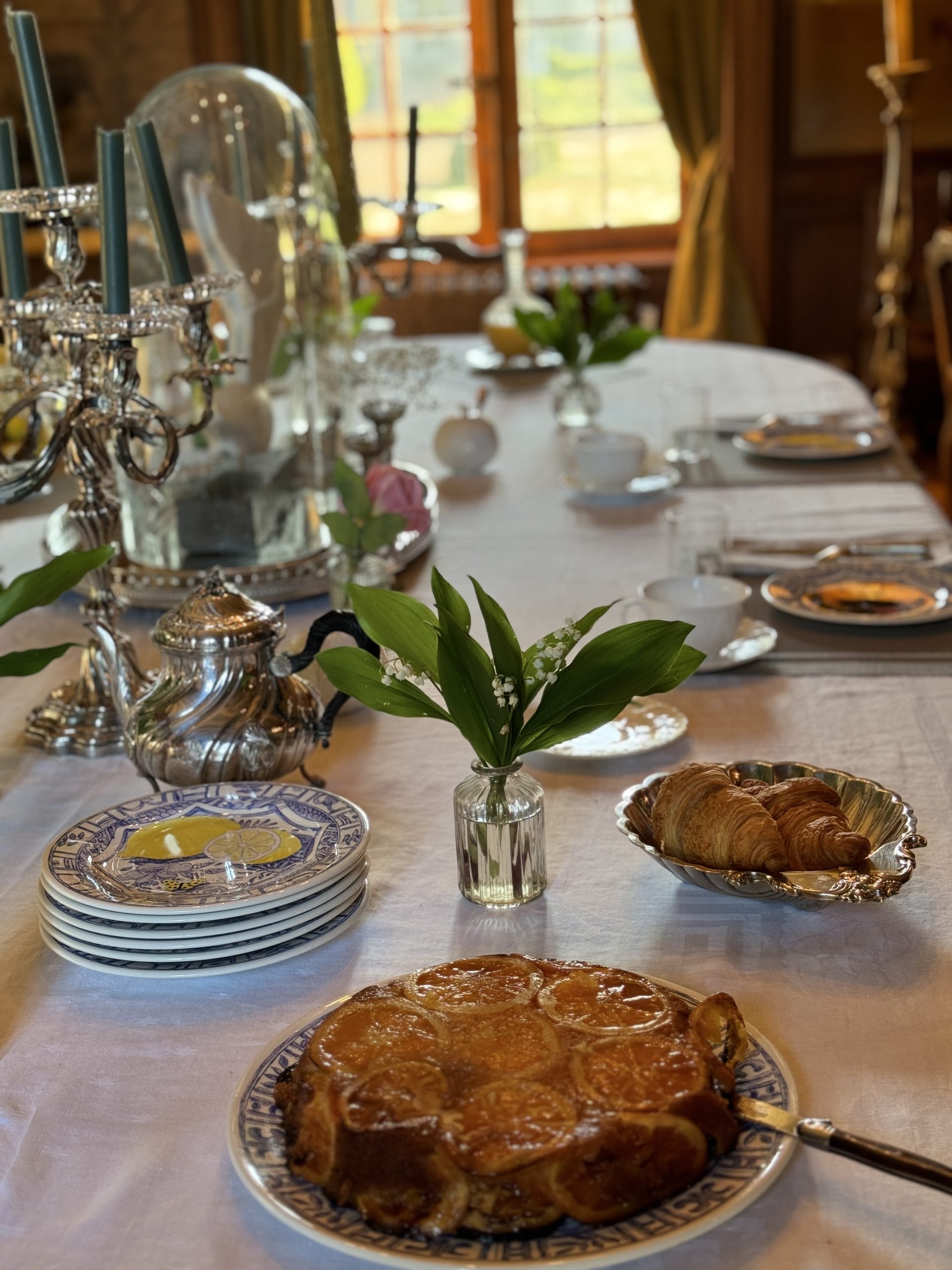
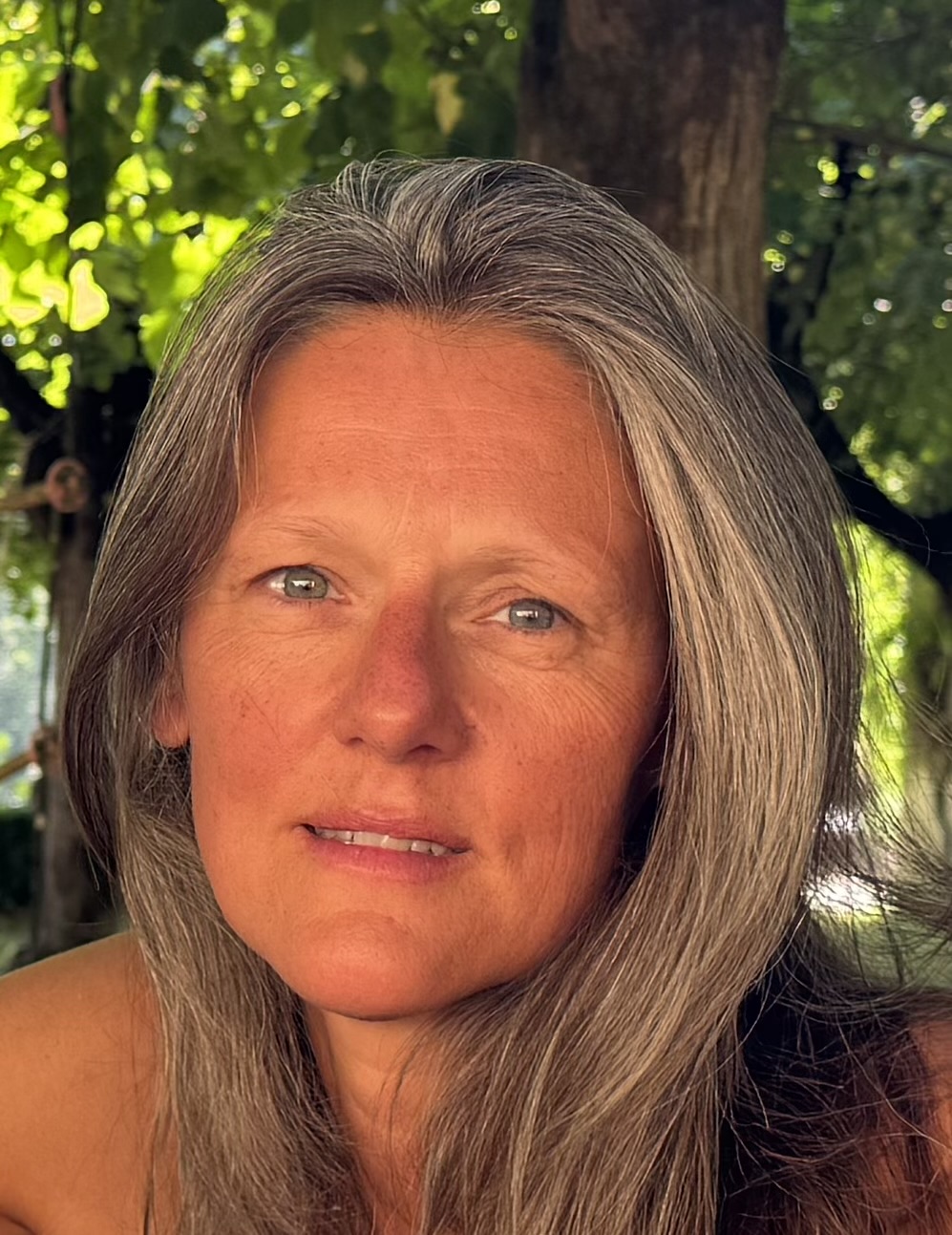
Ivana de la Bouillerie
Owner of Château d’Hodebert in the Loire Valley since 2004. Restoration, heritage and good deals in Touraine.